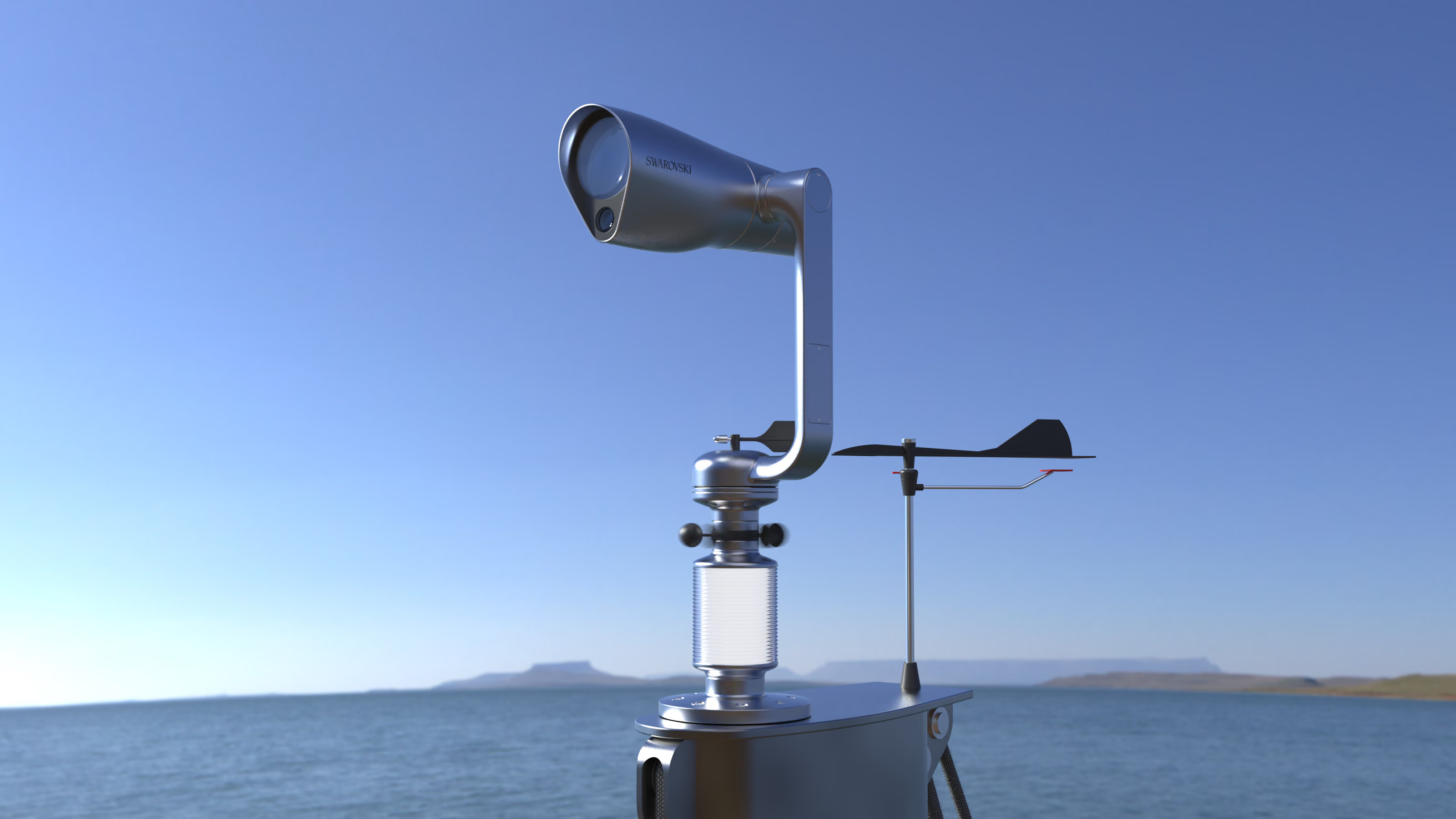
The Swarovski DL digital lookout on its stand, rendered against the sea and a clear sky

02 — Semester project · 2022

Swarovski DL

A View Ahead

Date
2022
Duration
4 months
Cooperation
Swarovski Optik
Advisor
Magnus Feil
Tools
Rhinoceros 3D, Keyshot, Adobe Photoshop
Featured

The maritime tradition of scanning the horizon was once conducted from the crow’s nest high in the mast. The Swarovski DL embraces this concept, providing a glimpse into the next generation of modern maritime optics, allowing observation over a vast area from an optimal position.
NEW CONCEPTS FOR SWAROVSKI OPTIK

PROJECT AIM & IDEA

Swarovski Optik is an Austrian manufacturer of premium optical instruments. Their products are grouped into three categories: hunting, outdoor, and birding. The company commissioned the Department of Industrial Design at FH Joanneum to create a future vision for their brand.

How would the concept of a crow‘s nest look like today?

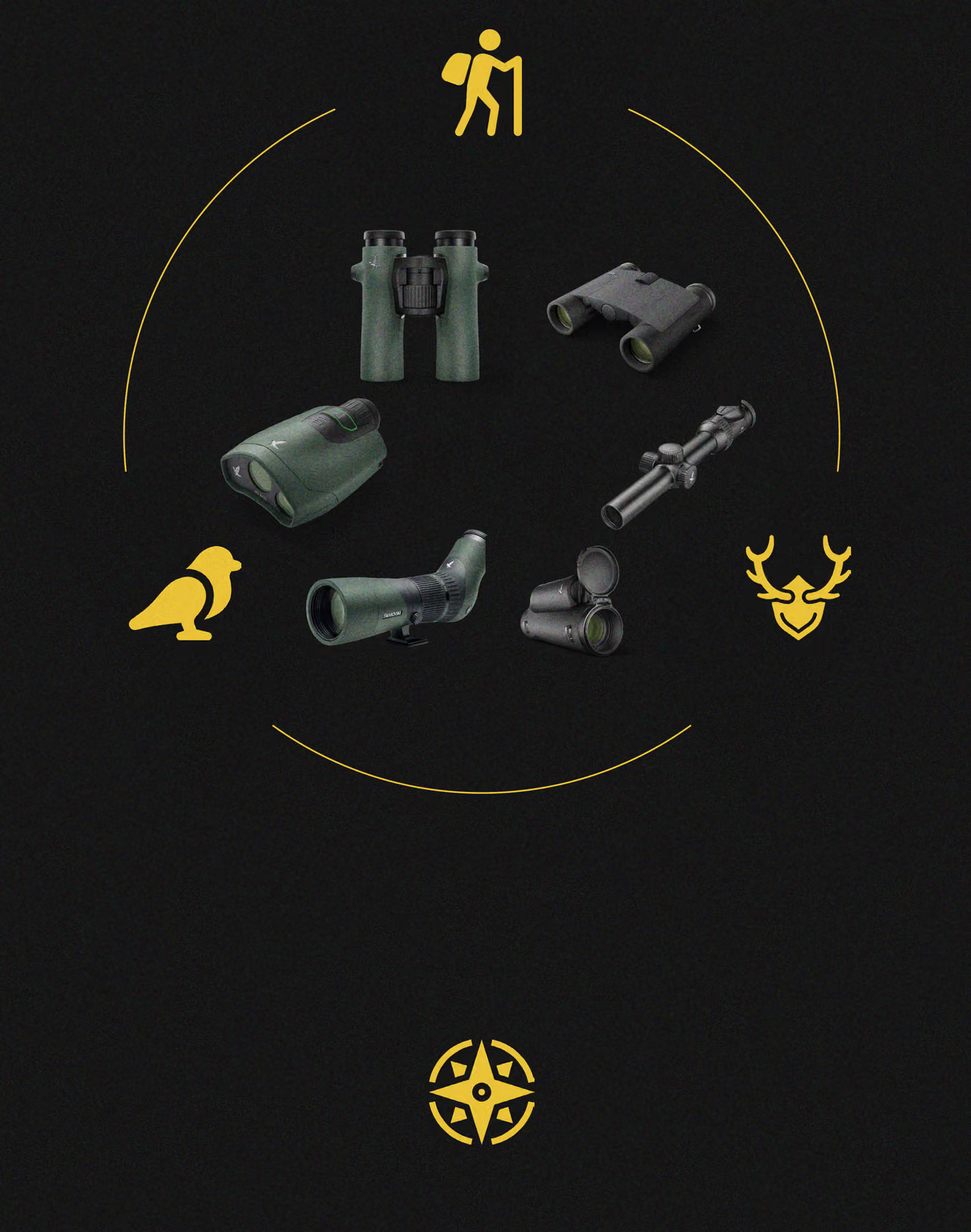
Swarovski Optik's binoculars, spotting scope, rifle scope and monocular inside a ring of the three categories outdoor, birding and hunting; an arrow leads to the new marine category

outdoor

birding

hunting

new category

marine

In order to expand the Swarovski Optik product range the idea was to establish a new product family for the marine use. Therefore the idea was sparked to create a vision of a digital lookout as a kind of top of the line in order to serve as basis for more parts of the family.

idea

Icon of a crow's nest

crow‘s nest

The crow‘s nest is the part of a ship where the lookout was stationed. Positioned high up on the mast, it provided an elevated vantage point, allowing for a better view and quicker reactions to approaching dangers.

+

Icon of a camera

cameras on board

Camera systems are becoming increasingly popular in the maritime sector, ranging from the OSCAR system for modern racing sailboats to night vision systems like the FLIR M232.

+

Icon of an eye with augmented reality overlay

augmented reality

Augmented Reality is already transforming how we interact with various data representations and will play an increasingly significant role in the maritime sector. In the future, AIS, navigation, and geography-related data could be directly integrated into binocular displays.

research
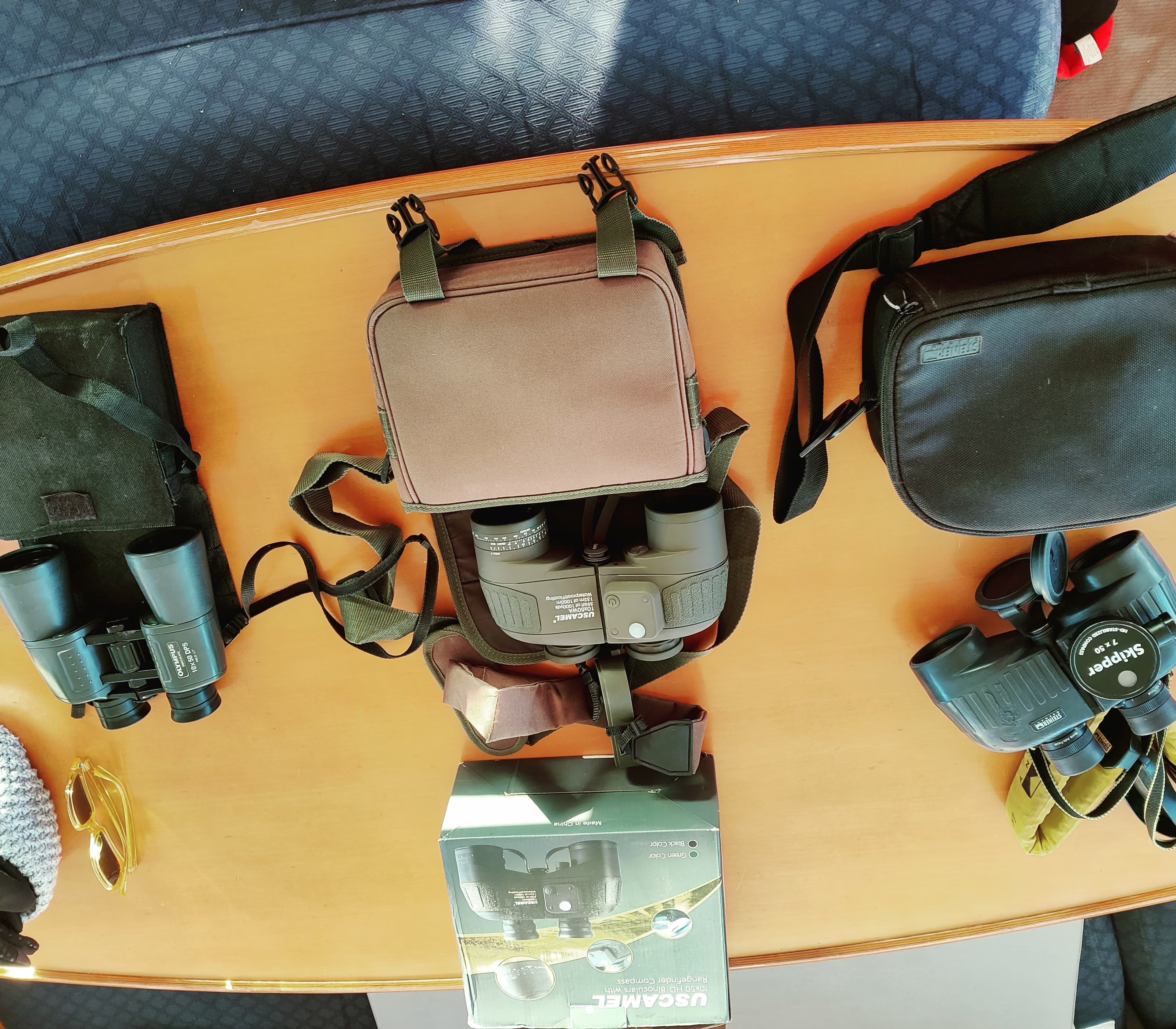
Marine binoculars and their cases laid out on a table
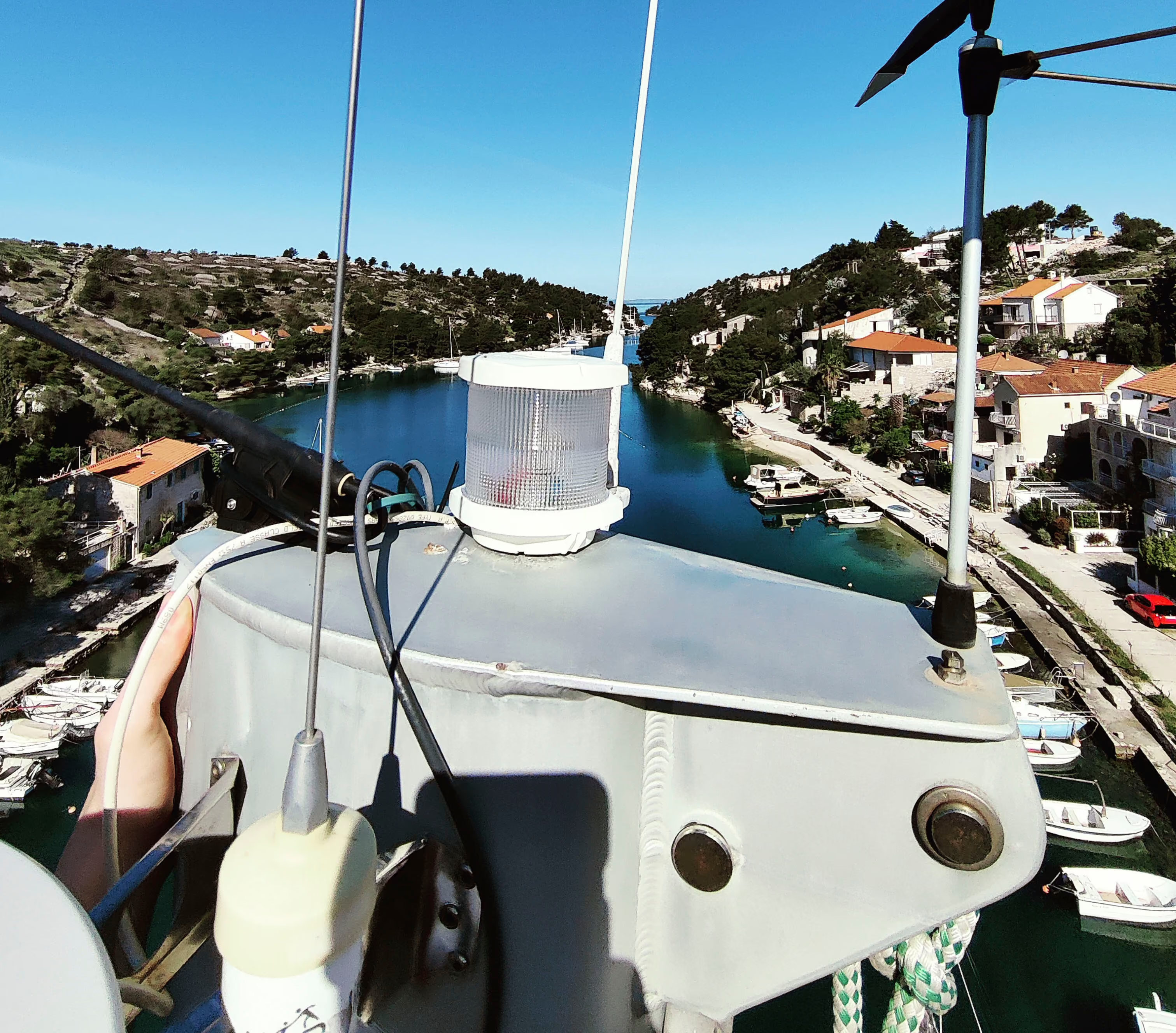
View from the top of a sailing boat's mast over a bay with moored boats
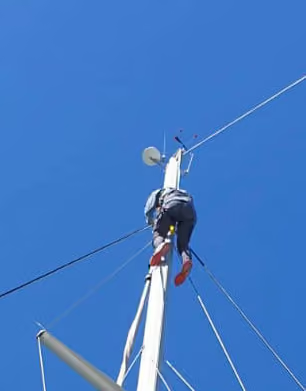
Someone climbing a sailing boat's mast against a blue sky

FINDING SOLUTIONS

IDEATION

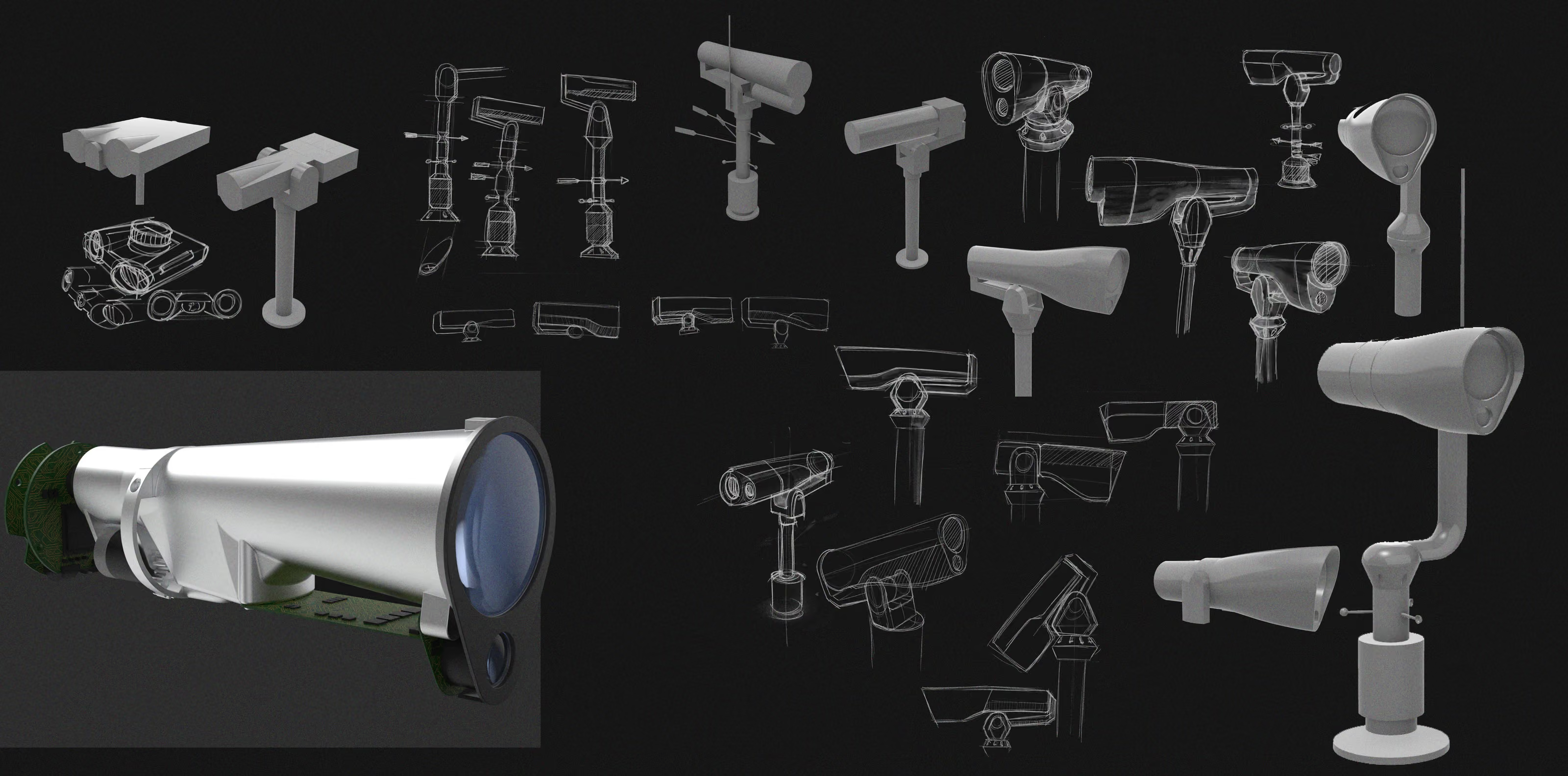
Switching between CAD drawings and sketches helps generate the basic form, allowing for a quick exploration of shape and functionality.

Cloud of concept sketches and grey CAD studies of the lookout on its stand

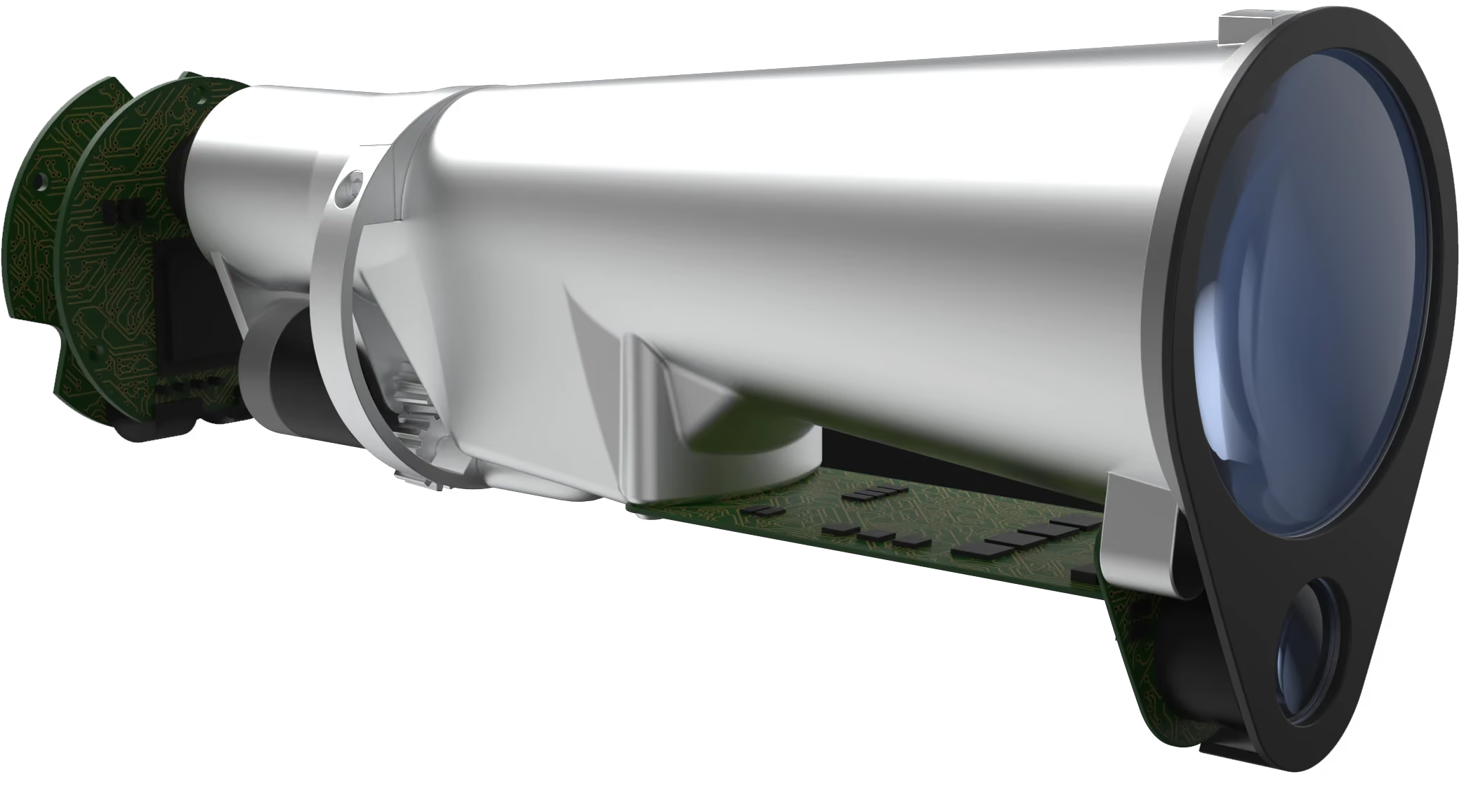
technical package

Render of the technical package, annotated

processing unit

mounting ring

main lens (80x16)

electric motor for x-axis

laser distance meter

processing unit (infrared)

infrared sensor

A MODULAR ARM SYSTEM

STAND

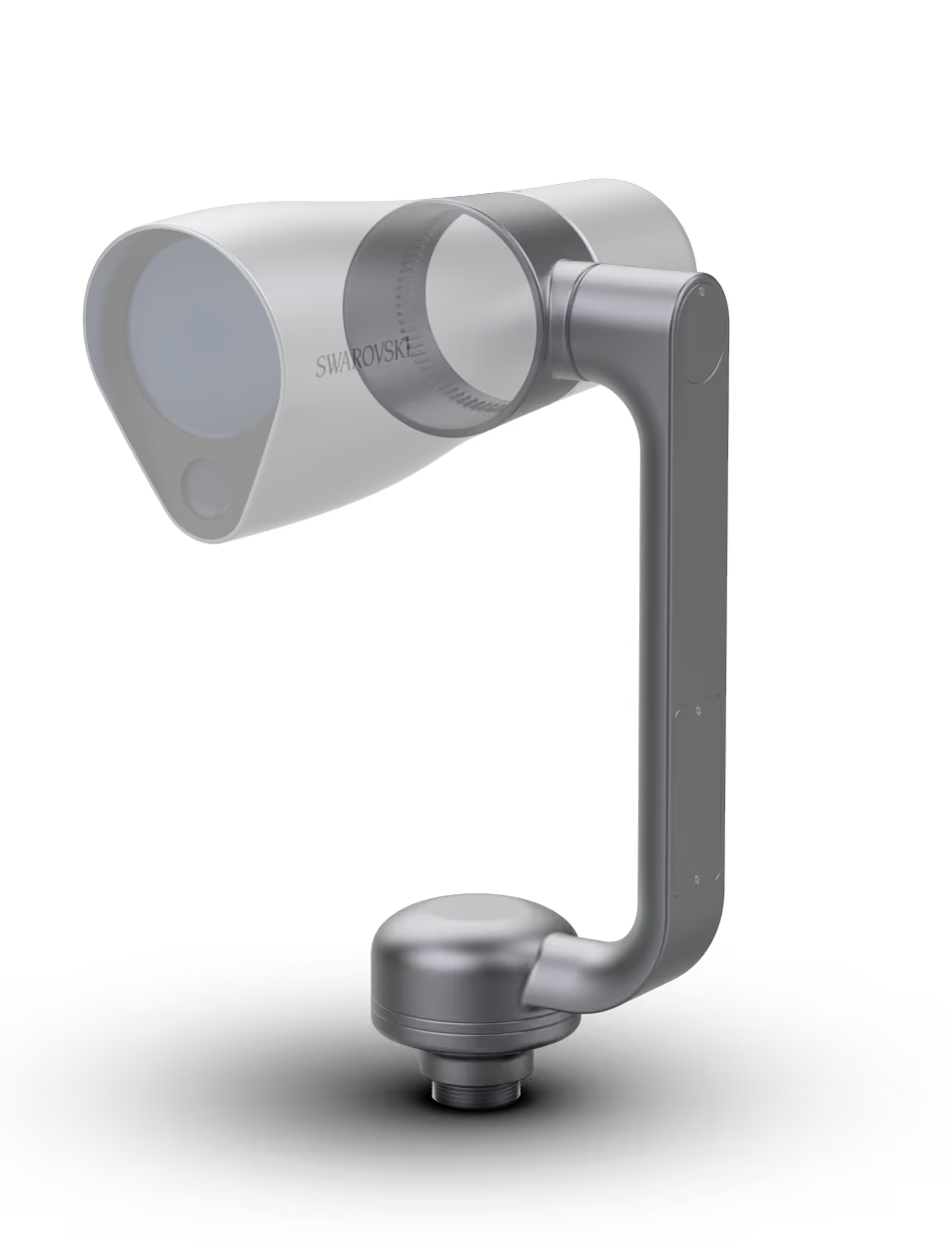
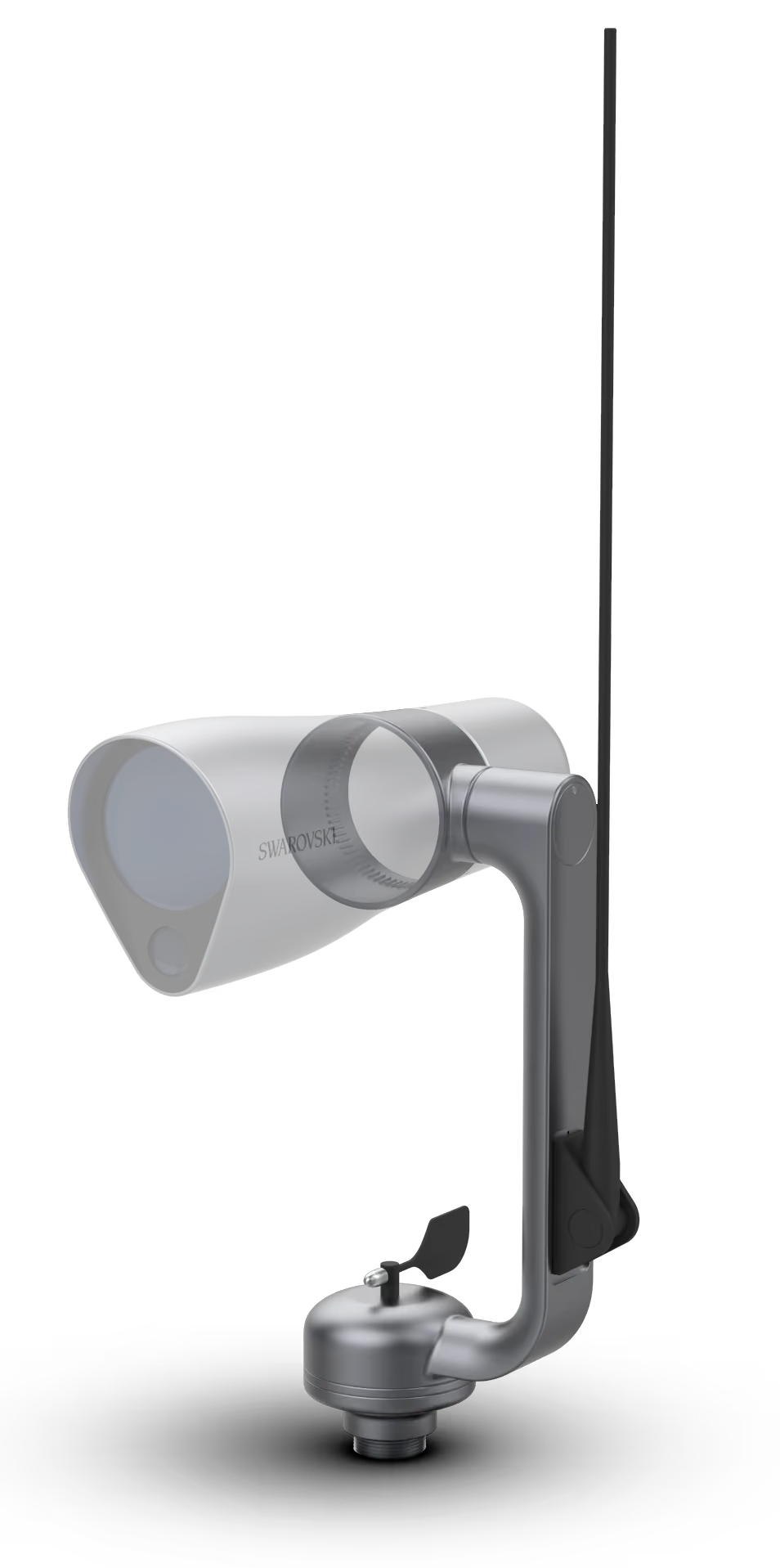
The stand adapts to different mast and deck configurations. Its modular arm allows variable reach and orientation, making the system suitable for a range of vessel sizes.

modules

The arm without add-ons

arm (naked)

The arm with wind vane and antenna

arm (with addons)

The anchor light module

anchor light

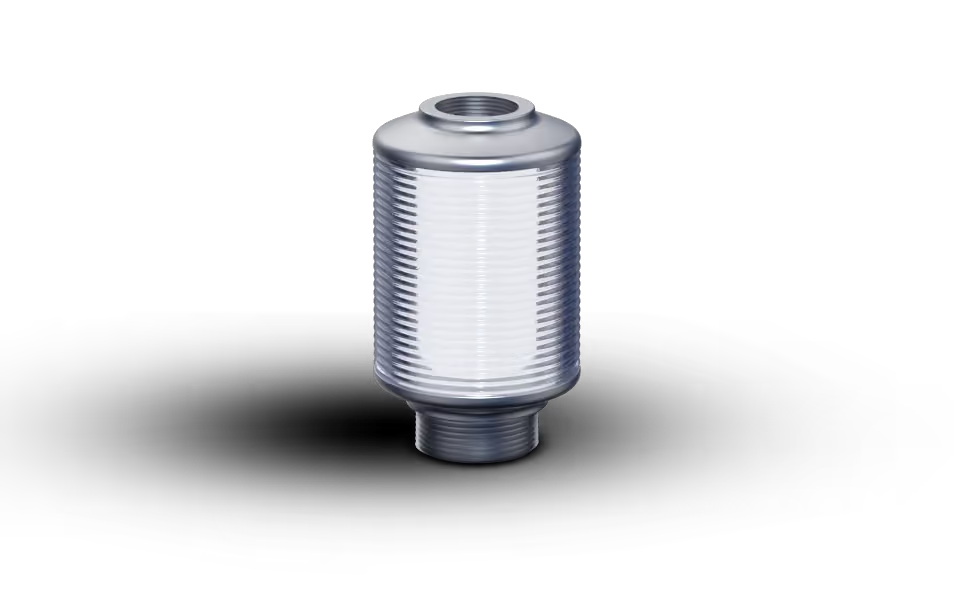
The column module

column

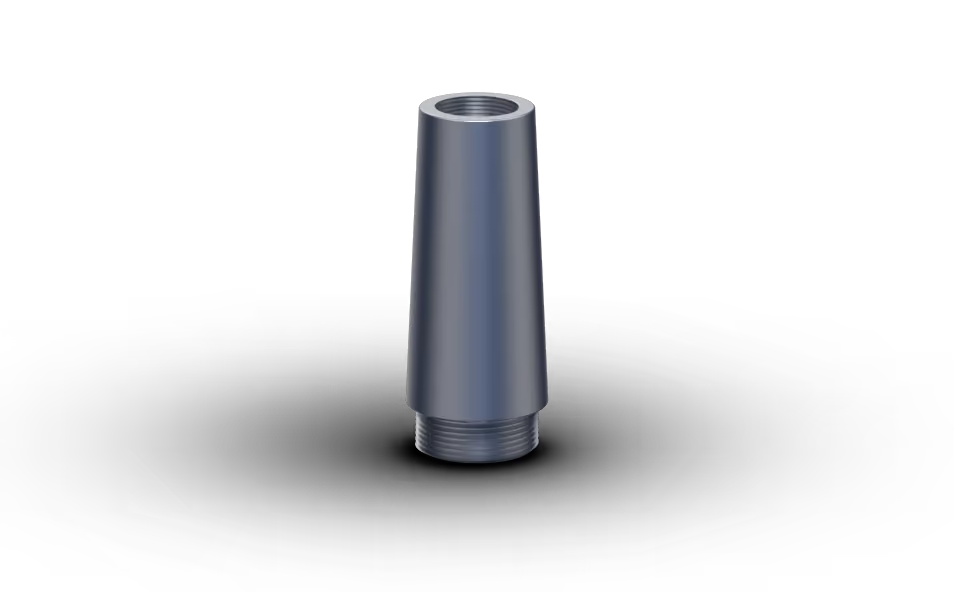
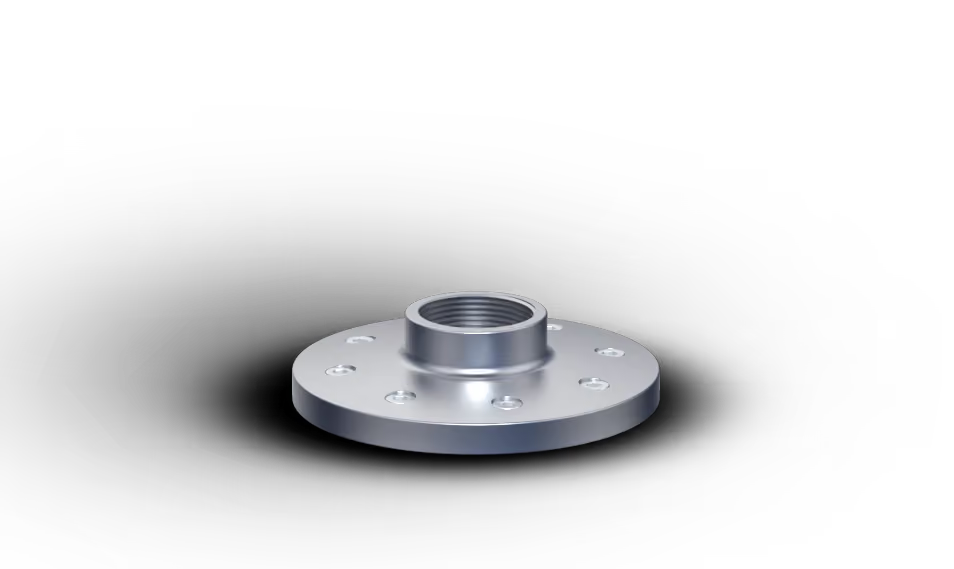
The stand base

stand

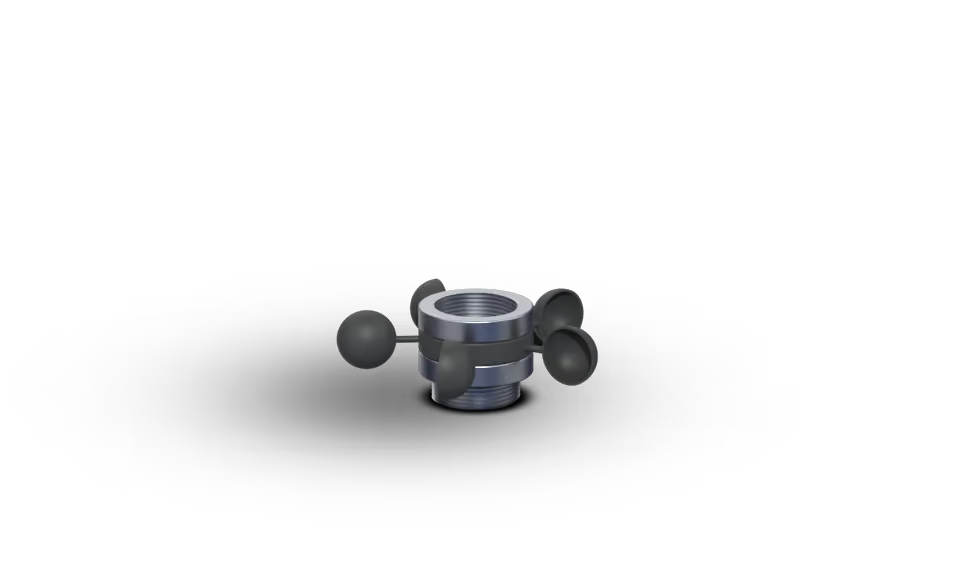
The anemometer module

anemometer

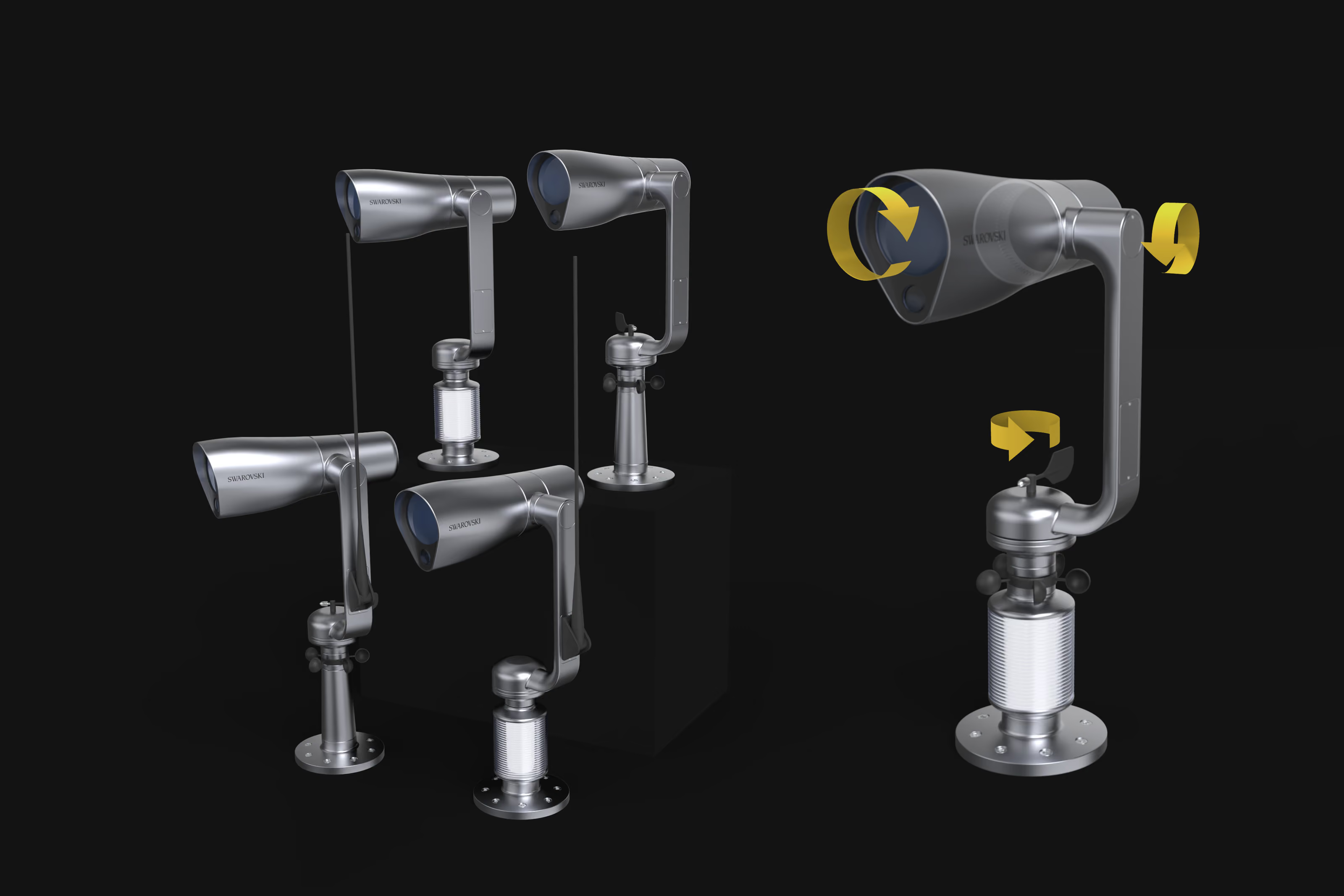
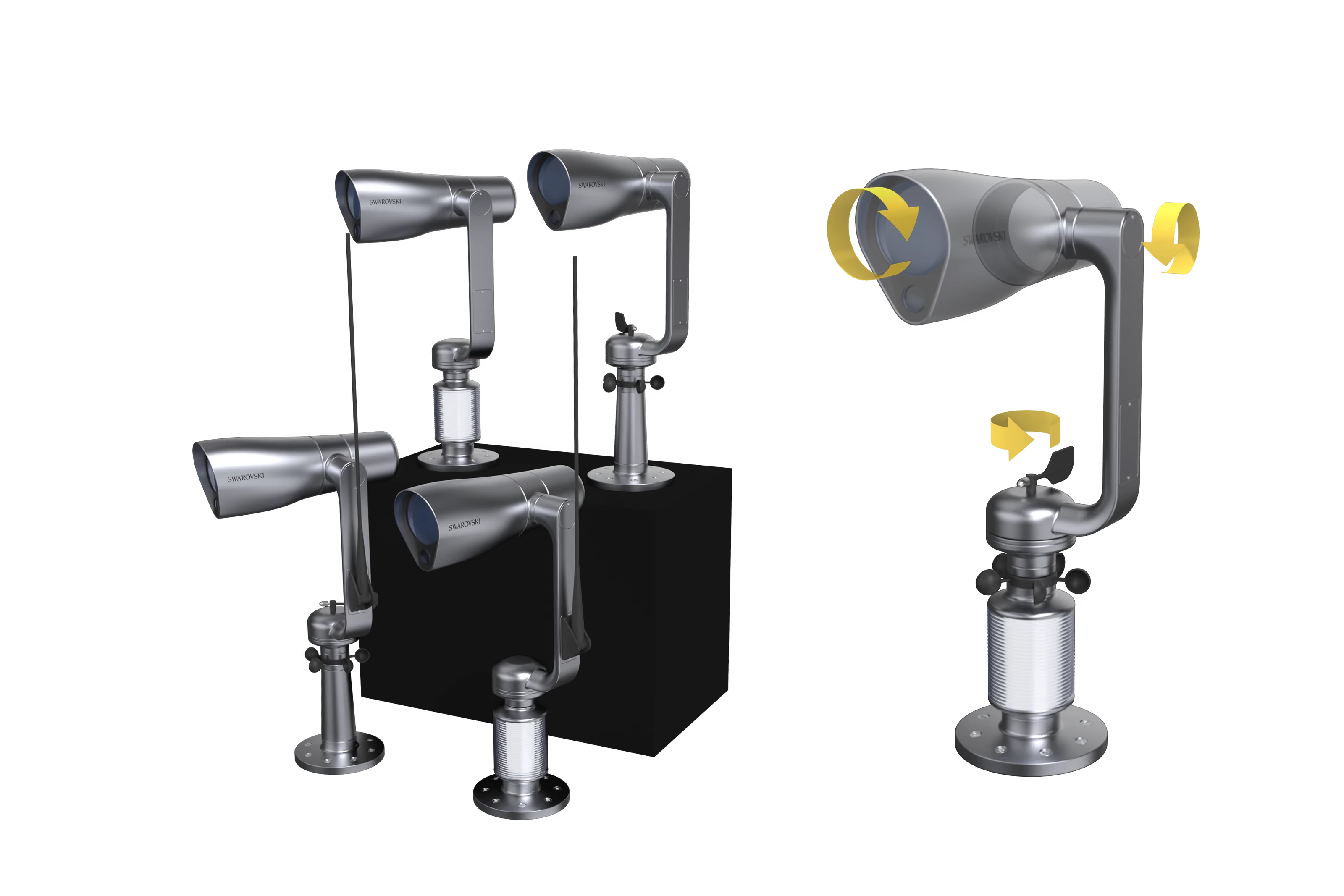
possible combinations

Four possible combinations of the modules, and the lookout with its x, y and z rotation axes

x

y

z

axis

OPERATING THE DIGITAL LOOKOUT

INTERFACE

functions

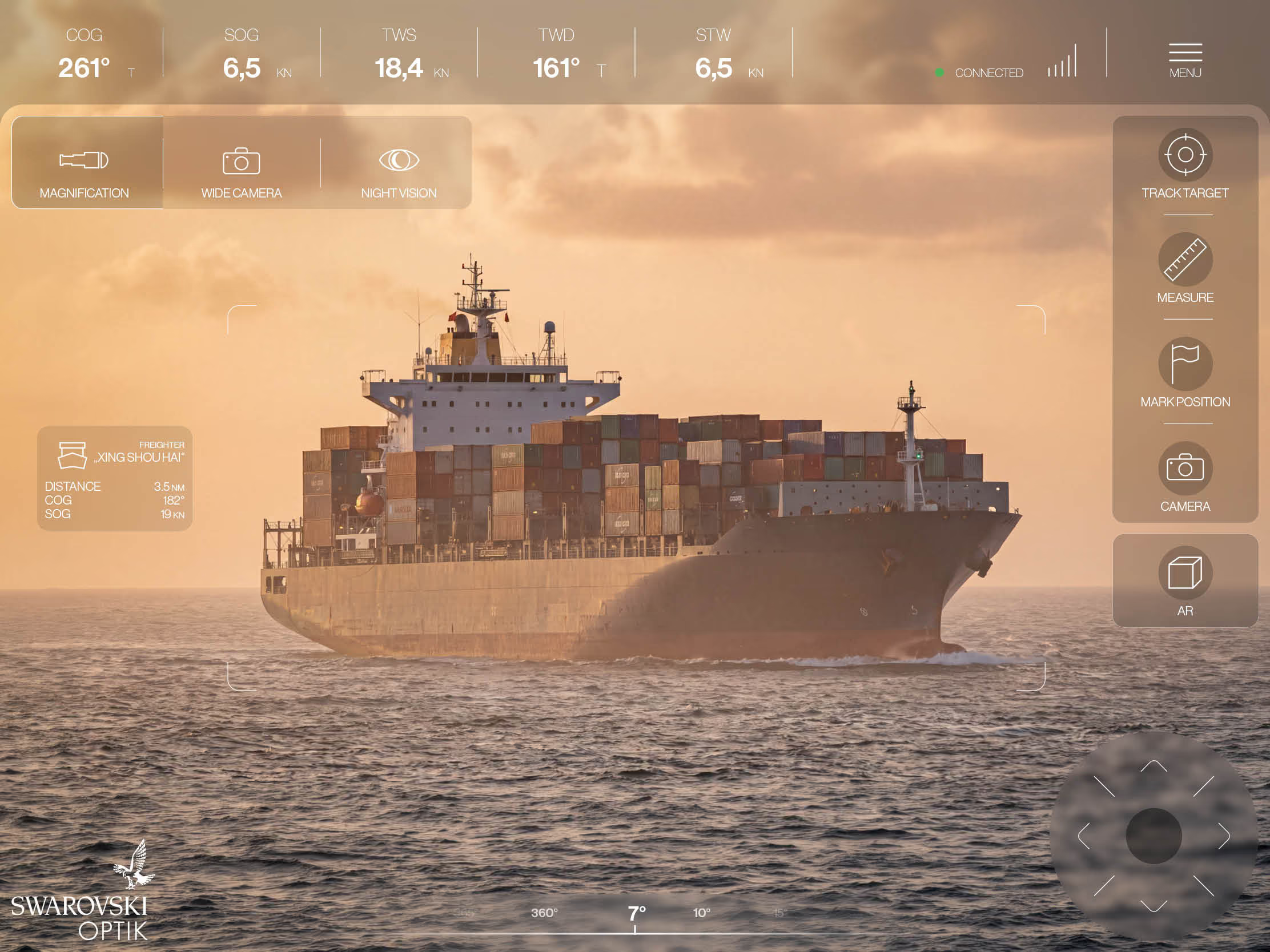
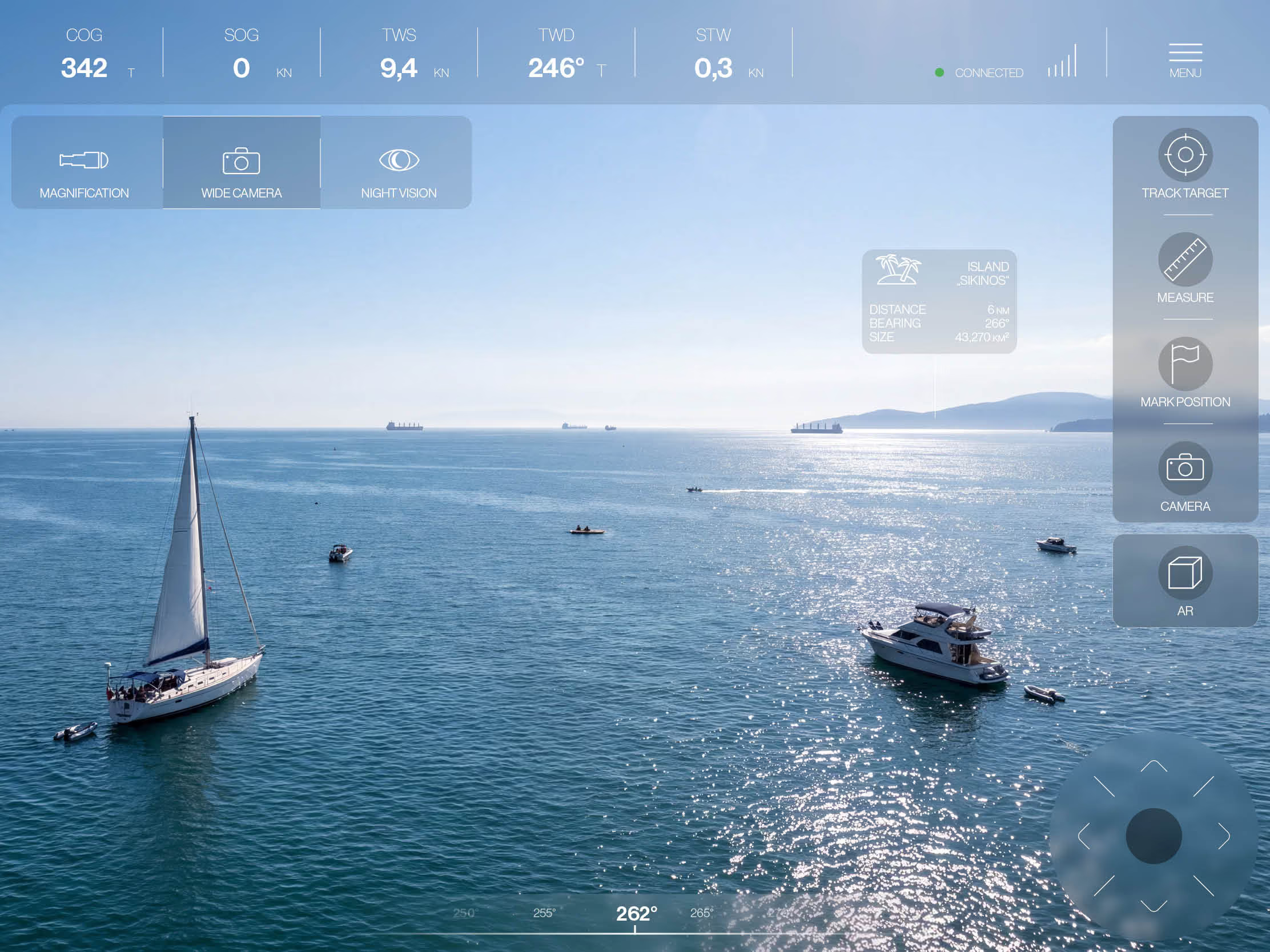
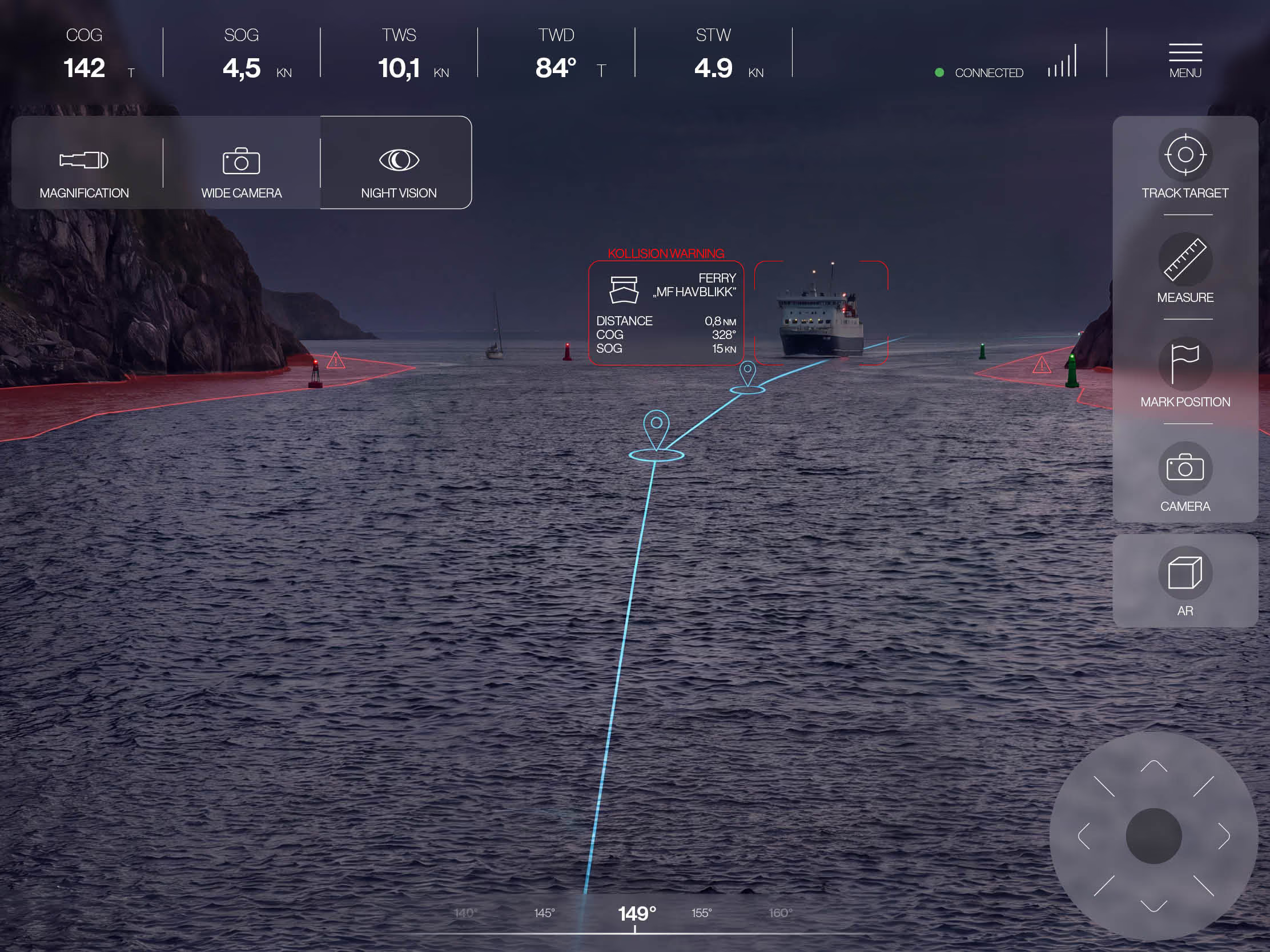
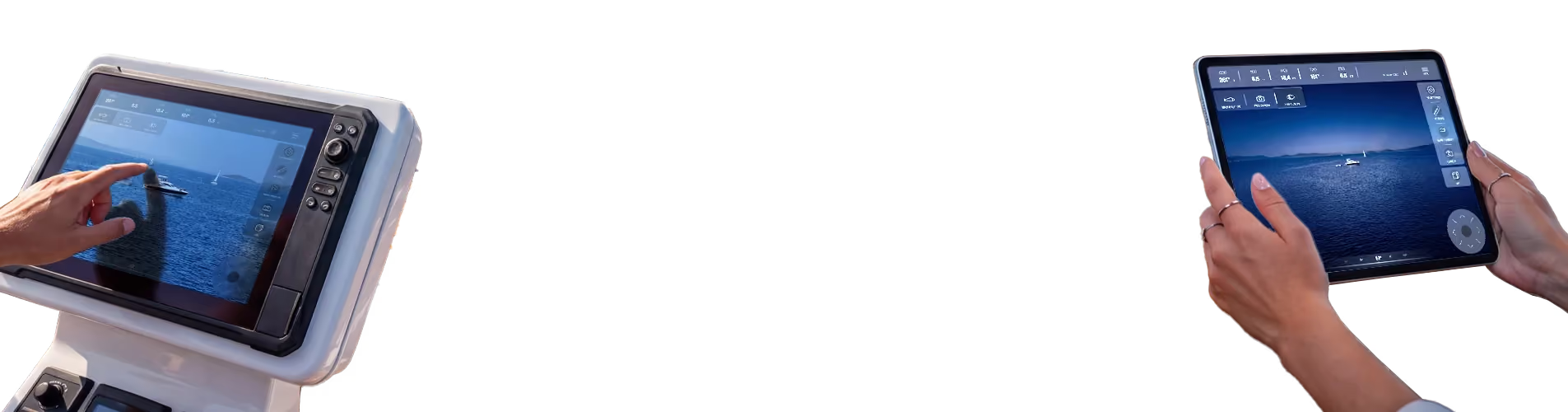
The interface enables skippers to operate the Swarovski DL from helm plotters, tablets or phones. Three main tabs structure all main functions:

Data
Shows key vessel data (COG, SOG, TWS, etc.) alongside the optical view, so the plotter remains usable for navigation monitoring even while using the monocular.
View
Switches between optical modes: wide‑angle camera, 18× monocular and infrared night vision.
Actions
Provides tools such as Track Target, Measure, Mark Position and Camera (photos/videos). An integrated AR sub‑tab controls which augmented reality overlays are shown, including course line, shallow water, AIS targets and geographic labels (islands, mountains, cities).
Interface screen: a container ship at sunset with vessel data and a target panel
Interface screen: wide-angle camera view of a bay with a sailing yacht and motor boats
Interface screen: night vision with a collision warning and the AR course line
Operating the lookout from the helm plotter and from a tablet on board

FROM DIGITAL TO PHYSICAL

MODEL

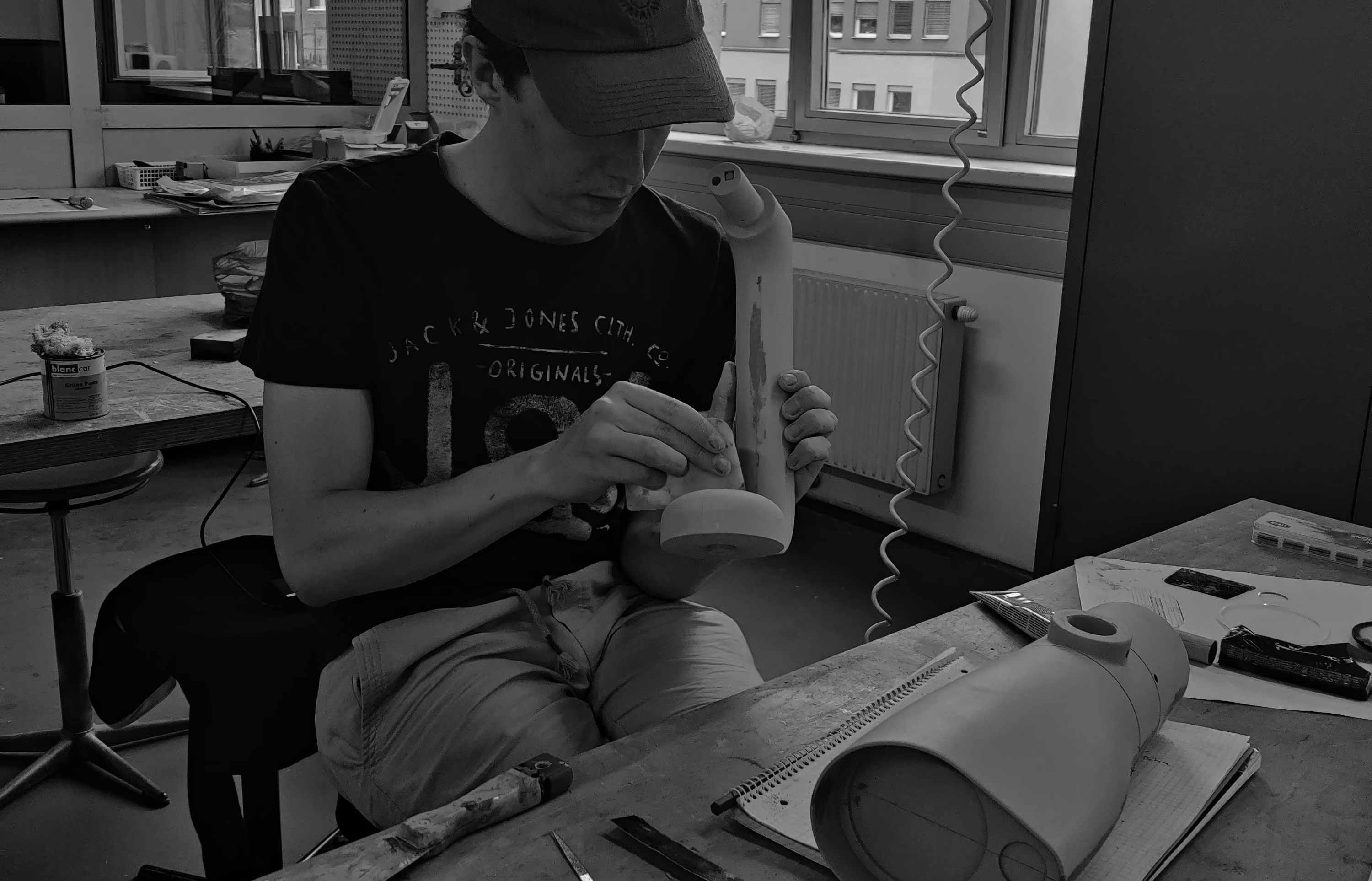
Sanding a part of the model at the workshop bench
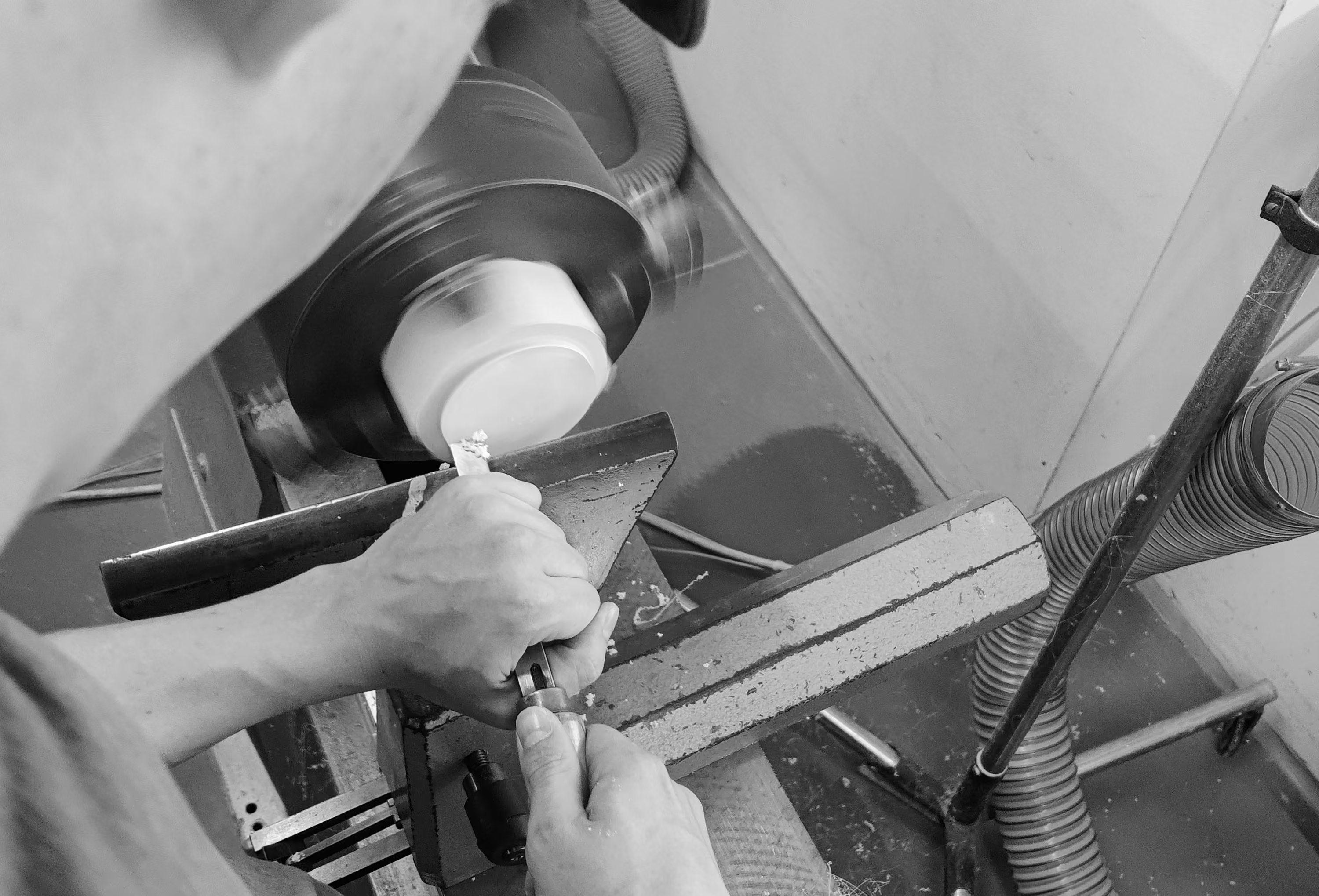
Turning a part of the model on the lathe

Images: Thomas Terschan

at the workshop

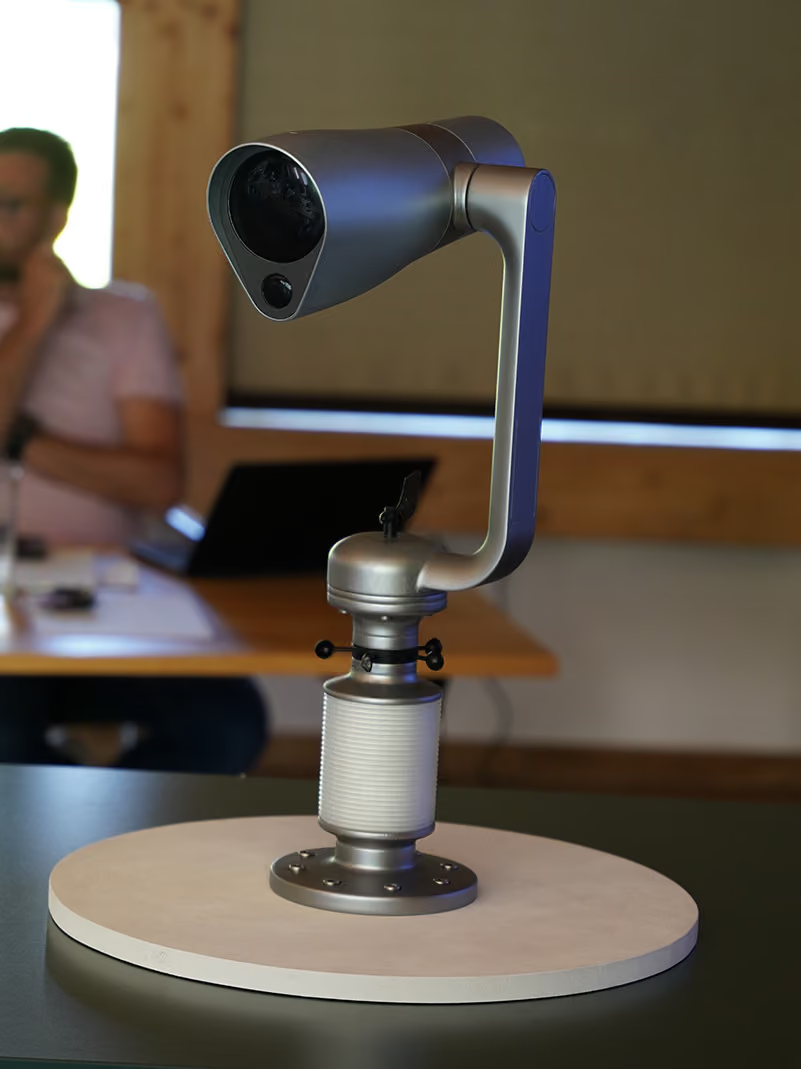
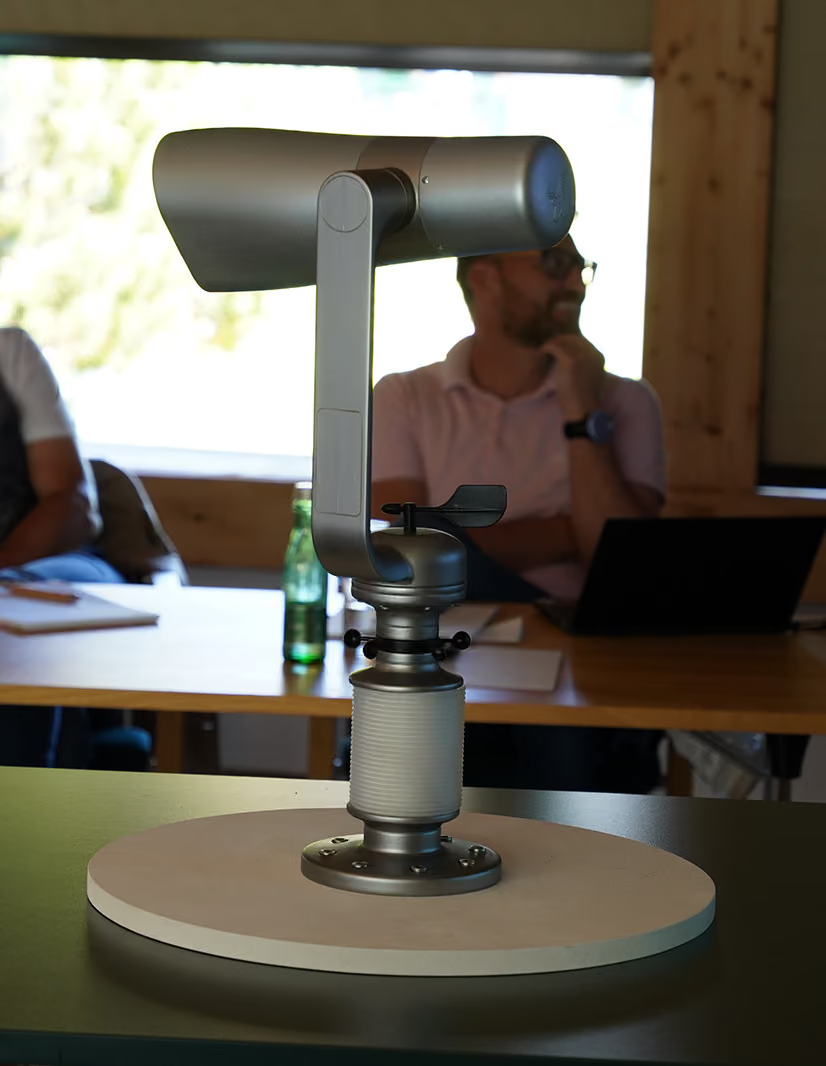
final model

The final model on its round base, front view
The final model from the side

Images: Magnus Feil